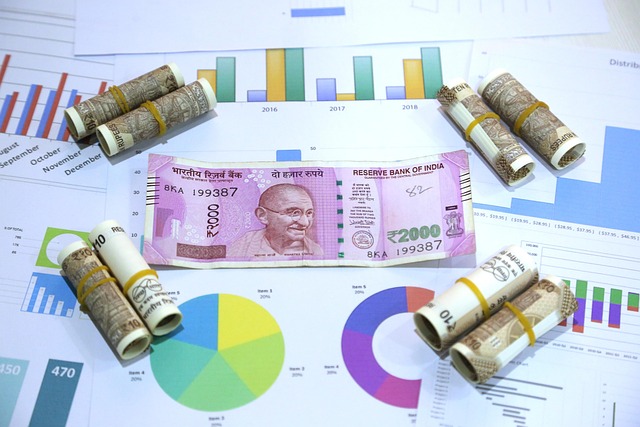
Depositing money involves transferring funds to a bank for various purposes. It begins with choosing a method (online/in-person) and preparing account details for verification. Funds can be transferred from checking/savings, credit cards, or cash into designated accounts. Key options include conventional deposit accounts, time deposits, direct deposits, and bulk/commercial deposits for individuals and businesses. Effective depositing requires strategic choices: use online/mobile banking, group smaller deposits, maintain records, and audit accounts regularly for accuracy.
Looking to streamline your financial management? Effortlessly navigating the process of depositing money can save you time and stress. This comprehensive guide breaks down the essentials of depositing money, from understanding the depositing process to exploring different types of deposits and mastering tips for efficient transactions. Get ready to deposit with confidence and control.
Understanding the Depositing Process

Depositing money is a fundamental banking transaction that involves transferring funds from an individual’s or business’s account into a financial institution. This process is crucial for various reasons, including savings accumulation, bill payments, and facilitating economic activities. The first step in depositing money typically starts with deciding the method of deposit, which could be done online through mobile banking apps or at a physical branch by visiting a teller.
Once the method is chosen, individuals need to have their account details ready, such as account numbers, routing numbers (for US banks), and sometimes identification documents for verification. After confirming the account information, the funds are transferred from the depositor’s source, be it a checking or savings account, credit card, or cash, into the specified bank account. This entire process is designed to be secure and efficient, ensuring that customers’ money is safely deposited and made available for subsequent transactions.
Different Types of Deposits

When it comes to depositing money, there are several types of deposits that individuals and businesses can choose from, each with its unique features and benefits. These include deposit accounts like savings accounts and checking accounts, which are commonly used for everyday transactions and offer easy access to funds. On the other hand, time deposit accounts, such as certificates of deposit (CDs), require you to lock in your money for a set period at a predetermined interest rate. This makes them ideal for saving money over the medium to long term.
Additionally, direct deposits allow individuals to have their salaries, government benefits, or regular payments automatically transferred into their bank accounts, streamlining financial management. For businesses, bulk deposits or commercial deposits are used to manage large sums of money from sales or operations, often through specialized services that cater to the needs of enterprises. Understanding these different types of deposits is crucial for effective financial planning and optimizing your money’s potential.
Tips for Efficient Money Deposits
When depositing money, whether it’s into a savings account or making a payment, there are several tips to ensure efficiency and convenience. Firstly, choose the right banking method for your needs; online banking offers speed and accessibility, while in-person deposits provide immediate confirmation. Utilize mobile banking apps for real-time updates and remote transactions.
Prioritize organizing your finances; group smaller amounts into larger ones to maximize deposits and potentially earn interest faster. Keep records of all transactions for easy reconciliation. Regularly review your accounts to ensure accurate balances, enabling you to identify and rectify any errors promptly.
Depositing money is a fundamental aspect of managing your finances, whether it’s through traditional bank branches or modern digital platforms. By understanding the various types of deposits and implementing efficient strategies, you can streamline the process, save time, and ensure your funds are securely stored. Whether you’re making regular savings or handling larger transactions, optimizing your depositing methods is a smart step towards achieving financial goals.