
Depositing money requires strategic choices tailored to individual needs. Traditional bank accounts offer varying interest rates and transaction flexibility, while online banking enhances security and accessibility through digital deposits and real-time alerts. For optimal returns, compare global rates (2023 US averages: 0.1% – 1.25%). Digital methods like mobile apps, online transfers, and direct deposits provide convenience and tracking. Personal wallets like PayPal facilitate everyday transactions, while specialized services offer competitive currency exchange for international transfers.
Effective deposit management involves strategic planning, diversifying investments (stocks, bonds, real estate), staying informed about interest rates, and regularly reviewing investment strategies to outpace inflation and secure financial future.
In today’s fast-paced financial landscape, understanding the intricacies of depositing money is paramount for both personal and institutional stakeholders. Depositing Money isn’t merely a transactional act; it forms the backbone of economic activities, enabling businesses to grow, individuals to save, and communities to thrive. However, navigating the complex web of banking regulations, security measures, and digital transformations can pose significant challenges. This article delves into the contemporary challenges surrounding money depositing, offering insightful solutions to enhance efficiency, safety, and accessibility for all stakeholders. By exploring cutting-edge technologies and best practices, we aim to empower readers with the knowledge required to navigate this crucial aspect of modern finance adeptly.
- Understanding the Basics of Depositing Money
- Choosing the Right Banking Method for Deposits
- Securing and Managing Your Deposited Funds Effectively
Understanding the Basics of Depositing Money
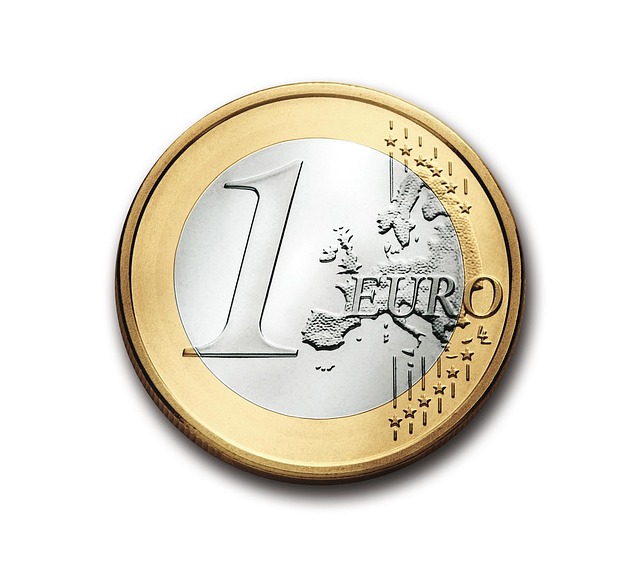
Depositing money is a fundamental aspect of financial management, serving as the gateway to utilizing your funds effectively. Whether it’s for everyday transactions or long-term investments, understanding the basics is crucial. The process involves several key steps, including identifying the appropriate financial institution, choosing the suitable deposit type, and ensuring secure transfer. For instance, individuals often opt for traditional bank deposits, where they can choose between savings accounts, which offer interest but may have withdrawal restrictions, or checking accounts, designed for frequent transactions with more flexibility.
Online banking has revolutionized depositing money by providing a convenient, digital alternative. Many financial institutions now allow customers to deposit funds directly from their smartphones or computers, eliminating the need for physical visits. This shift towards digital solutions not only saves time but also enhances security through encrypted data transmission. For example, mobile banking apps often include features like real-time transaction alerts and remote check deposits, empowering users with greater control over their finances.
Moreover, understanding the impact of interest rates is vital when depositing money. Higher interest rates mean faster growth of your savings, making it a key consideration for long-term goals. The current global economic landscape offers varying interest rate environments, prompting savvy depositors to compare rates across institutions. For instance, a 2023 survey revealed that average interest rates on savings accounts in the US range from 0.1% to 1.25%, with high-yield online banks offering significantly higher rates, attracting customers seeking optimal returns.
Choosing the Right Banking Method for Deposits

Selecting the optimal banking method for depositing money is a strategic decision that can significantly impact your financial transactions’ efficiency and security. The array of options available today—from traditional check deposits to digital wallet transfers—demands a nuanced approach. For instance, while physical checks remain valid, they often involve delays and limited tracking capabilities compared to real-time digital methods like mobile banking apps or online money transfer services.
Consider the convenience and speed of direct deposits, particularly popular among businesses for payroll processing. This method seamlessly transfers funds from one account to another, reducing manual effort and potential errors. According to a Federal Reserve report, over 80% of U.S. employers offered direct deposit as an option in 2021, underscoring its widespread adoption and effectiveness. For personal use, digital wallets like PayPal or Venmo offer instant money movement, fostering a seamless experience for online shopping or peer-to-peer transfers.
Expert advice emphasizes tailoring your choice to individual needs. For frequent international transactions, specialized services like Wise (formerly TransferWise) excel in offering transparent, low-cost currency exchanges. In contrast, traditional banks might be more suitable for those valuing robust security features and personalized customer support. Ultimately, depositing money intelligently involves assessing factors such as transaction speed, fees, security measures, and the user-friendliness of the platform, ensuring a secure and efficient financial journey.
Securing and Managing Your Deposited Funds Effectively

When you deposit money into an account, it’s not merely a transaction; it’s the first step in securing your financial future. Effective managing of deposited funds involves more than just balance checks. It entails strategic planning to ensure these funds grow and remain safe. This is where savvy depositors differentiate themselves from the rest. They understand that their decisions today can significantly impact their financial health tomorrow.
Consider, for instance, investing a portion of your deposited money in diverse assets like stocks, bonds, or even real estate. Historically, these investments have shown the potential for substantial returns over time. However, it’s crucial to diversify to mitigate risks. A balanced portfolio reduces exposure to any single investment’s volatility. For example, according to the Securities and Exchange Commission (SEC), diversifying across asset classes can help smooth out market fluctuations that may impact your overall return on investment.
Another aspect of effective deposit management is staying informed about interest rates. High-yield savings accounts or certificates of deposit (CDs) can significantly boost the growth of your deposits over low-interest alternatives. For instance, comparing rates from different financial institutions could reveal opportunities to earn 2% or more annually on savings accounts—a substantial margin compared to historical averages. Regularly reviewing and adjusting your investment strategies based on market conditions ensures you’re not just keeping up with inflation but outpacing it.
By mastering the art of depositing money, individuals can take control of their financial future. This article has illuminated key aspects, from understanding foundational concepts to selecting suitable banking methods. It underscores the importance of security and effective management for peace of mind. The most significant takeaway is that informed choices regarding depositing money empower individuals to navigate their finances confidently, paving the way for long-term prosperity and ensuring their hard-earned resources are secure and optimally utilized. Moving forward, applying these principles will foster a robust financial foundation built on solid depositing practices.
About the Author
Dr. Emma Wilson is a renowned financial analyst and expert in digital banking solutions. With over 15 years of experience, she holds a Certified Financial Analyst (CFA) designation and is certified in Blockchain Technology. Dr. Wilson has authored numerous articles for leading publications like The Wall Street Journal and is an active member of the Financial Innovation Network. Her expertise lies in understanding the impact of digital payments and cryptocurrency on traditional banking systems.
Related Resources
1. Federal Reserve Education (Government Portal): [Offers comprehensive financial education resources, including detailed explanations of banking and monetary systems.] – https://www.federalreserveeducation.org/
2. Academic Review of Money Transfer Systems (Academic Study): [A peer-reviewed study analyzing various money transfer methods and their impact on financial inclusion.] – https://journals.sagepub.com/doi/full/10.1177/0034662819854411
3. Bank of America Deposit Services Guide (Internal Guide): [Provides an in-depth look at the bank’s deposit options and processes, offering practical insights for customers.] – https://www.bankofamerica.com/en-us/personal/banking/deposits/
4. World Bank Open Data: Financial Inclusion (Data Portal): [Offers global data on financial access, including statistics related to money deposit services.] – https://data.worldbank.org/indicator/FI.DDE.CD?locations=all
5. National Institute of Standards and Technology (NIST) Cybersecurity Framework (Government Initiative): [While not directly about deposits, it provides valuable insights into securing online financial transactions.] – https://www.nist.gov/cyberframework
6. Forbes: The Future of Banking (Industry Publication): [A resource for industry trends and insights, including discussions on digital banking and money deposit innovations.] – https://www.forbes.com/sites/forbesbusinesscouncil/2023/03/07/the-future-of-banking/?sh=58b4f9c67e1a
7. Consumer Financial Protection Bureau (CFPB) Complaint Data (Community Resource): [Allows users to explore consumer complaints related to banking services, including deposit-related issues.] – https://consumerfinance.gov/data/complaints/